
Exploring the psychology behind winning at casino games
The Role of Luck vs. Skill in Gambling
The debate between luck and skill in casino games is a perennial topic among players and psychologists alike. Many casino games, such as slots, rely heavily on chance, while others like poker blend skill with elements of luck. Players often perceive their success or failure as a result of their decisions, strategies, or innate abilities. Understanding this dynamic can significantly impact a player’s approach and mindset when engaging in these games, making it crucial to find the best casino not on gamstop to improve one’s experience.
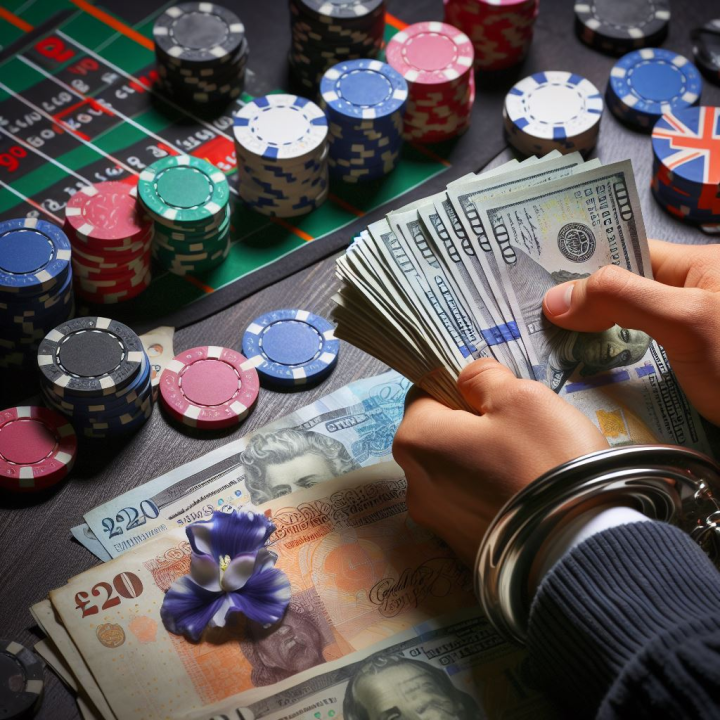
Furthermore, the belief in personal skill can create a psychological advantage. When players feel they have control over the outcome, they are likely to experience higher levels of confidence and enjoyment while playing. Conversely, those who view their experience as purely luck-based may approach the games with a more passive mindset, potentially leading to less favorable outcomes.
The Psychology of Risk-Taking
Risk-taking behavior is a fundamental aspect of gambling psychology. The thrill associated with placing a bet can be exhilarating, often driven by the potential for significant rewards. This adrenaline rush can lead to a cycle of risk-taking that keeps players engaged and returning for more. This phenomenon is linked to the brain’s reward pathways, which release feel-good chemicals such as dopamine during exciting moments, reinforcing the desire to gamble.
However, it’s important to note that not all risk-takers are reckless. Some individuals approach gambling with a calculated mindset, weighing the odds and making informed decisions based on available information. This strategic risk-taking can enhance the enjoyment of casino games while also increasing the chances of winning, highlighting the fine line between thrill-seeking and prudent gaming.
The Influence of Environment and Social Factors
The environment in which gambling occurs can drastically affect a player’s mindset and behavior. Casinos are deliberately designed to create an immersive experience, filled with sights, sounds, and smells that stimulate the senses. This environment may lead players to lose track of time and money, driven by the engaging atmosphere and social interaction with other players.
Social factors also play a critical role in gambling behavior. Group dynamics can encourage individuals to take risks they might not consider when alone. The presence of friends can create a sense of camaraderie and boost confidence, often resulting in a more enjoyable experience. However, this social influence can also lead to poor decision-making if the group encourages excessive gambling.
The Impact of Cognitive Biases on Gambling Decisions
Cognitive biases can profoundly affect how players perceive their chances of winning. For instance, the gambler’s fallacy—a belief that past events influence future outcomes—can lead players to make illogical betting choices. This bias often manifests in games like roulette, where players might think that a color or number is “due” to win based on previous spins.
Additionally, confirmation bias can lead players to remember their wins more vividly than their losses, skewing their overall perception of their gambling success. These cognitive distortions can create an illusion of control and may encourage continued gambling despite financial losses, demonstrating the complex interplay between psychology and gambling behavior.

Maximizing Your Experience with the Right Resources
Navigating the world of casino games can be both exciting and overwhelming, especially for new players. Understanding the psychological elements discussed can empower individuals to make more informed decisions while gambling. Resources that provide insights into strategies, odds, and responsible gambling practices can enhance the overall experience and increase the chances of success.
By utilizing platforms that offer comprehensive information and services, players can better equip themselves to face the psychological challenges presented in the casino environment. These resources not only facilitate a more enjoyable experience but also foster responsible gambling habits that can lead to a sustainable approach to gaming.